Days in Croatia: The Perfect Dalmatian Coast Itinerary

Recent Trends in Dalmatian Coast Travel
Travelers planning a Dalmatian coast itinerary are increasingly favoring a 10-to-14-day window, balancing major hubs like Dubrovnik and Split with slower-paced island stops. Ferry operators have expanded seasonal routes between Hvar, Korčula, and Brač, making multi-destination loops more practical without returning to the mainland each night. The rise of direct overnight ferries from Split to smaller islands has also encouraged travelers to reduce dock-to-dock transit time and spend more hours ashore.

Background: Why the Dalmatian Coast Draws Repeated Attention
The Dalmatian coast remains one of Europe’s most concentrated collections of walled historic towns, pebbled beaches, and island communities. Dubrovnik’s Old Town and Split’s Diocletian’s Palace anchor the region’s cultural appeal, while the island of Hvar offers a grid of lavender fields and harborfront dining. The geography naturally segments the coastline into manageable sections—southern, central, and northern Dalmatia—each with distinct ferry hubs and accommodation styles.
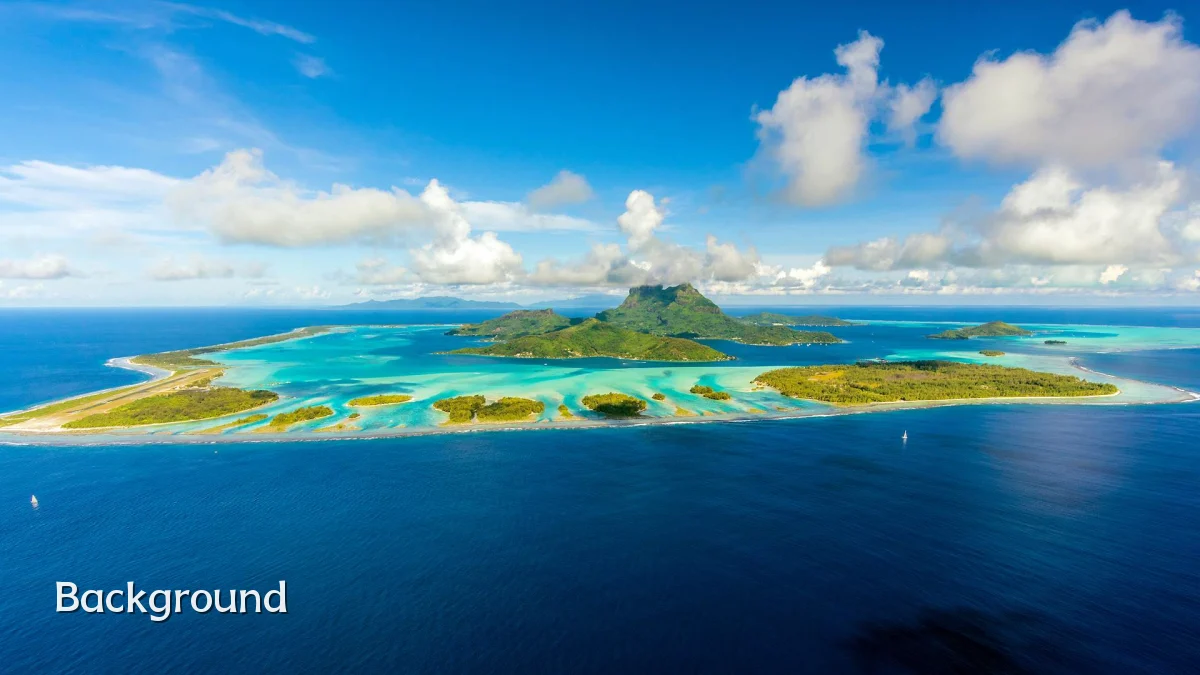
- Southern Dalmatia: Dubrovnik as the gateway, with day trips to Cavtat and the Elaphiti Islands.
- Central Dalmatia: Split as the transit center, with ferries to Brač, Hvar, and Vis.
- Northern Dalmatia: Zadar and Šibenik, often bypassed but offering the Kornati archipelago and Krka waterfalls.
User Concerns When Planning a Coastal Itinerary
Most itinerary builders struggle with three core questions: how many nights per destination, which islands to include, and whether to fly into one city and out of another. The following concerns recur in traveler forums and survey data:
- Time allocation: A common split is 3–4 nights in Dubrovnik, 3–4 nights on one or two islands, and 2–3 nights in Split—but travelers often underestimate ferry schedules and check-in windows.
- Transportation logistics: Catamaran timetables change seasonally, and summer weather can cancel afternoon sailings. Planning a buffer half-day in each hub reduces missed-connection stress.
- Crowd density: Dubrovnik and Hvar town see peak visitor traffic between 10 a.m. and 4 p.m. during July–August. Travelers who stay overnight gain early-morning and late-evening access to quiet streets.
- Cost variability: Accommodation rates in Old Town Dubrovnik can be two to three times higher than in nearby areas like Lapad or Gruž. Ferry ticket prices fluctuate seasonally, with peak fares roughly 30–50 percent above shoulder-season rates.
Likely Impact of These Planning Decisions
The choice of itinerary directly shapes trip pace and budget. A compressed 7-day route forces travelers to choose between a deep dive in one hub (usually Dubrovnik or Split) or a rushed loop of three destinations. A 10-to-14-day window allows for two island stops with at least two nights each, reducing the transit-heavy "one-night-per-island" pattern that can feel like a moving hotel.
- Pace: Travelers who include a slower island—such as Vis or Mljet—report lower perceived stress and higher satisfaction with cultural immersion.
- Budget: Multi-island itineraries increase ferry costs but may lower accommodation expenses if travelers choose smaller island apartments over Dubrovnik city-center hotels.
- Seasonal advantage: June and September itineraries typically benefit from lower crowd pressure and more reliable catamaran schedules, while July–August routes require earlier ferry bookings and flexible backup plans.
What to Watch Next in Dalmatian Coast Travel
Several developments could shift how itineraries are built in the near term. Ferry operators are testing more direct connections between lesser-visited islands like Lastovo and Korčula, bypassing Split entirely. Accommodation platforms are introducing stricter cancellation policies during peak months, making last-minute itinerary changes costlier. Meanwhile, local tourism boards are promoting shoulder-season extensions—early May and late September—with discounted ferry passes and guided walking programs. Travelers who monitor these changes may find opportunities for quieter routes and reduced per-day expenses in the coming seasons.