Discover the Best Outdoor Adventures in Croatia: From Hiking to Kayaking

Recent Trends in Adventure Tourism
In recent seasons, Croatia has seen a steady increase in visitors seeking active travel rather than traditional beach holidays. Travel agents and regional tourism boards report growing interest in multi-activity packages that combine coastal kayaking, inland hiking, and cycling. The shift is partly linked to a broader preference for small-group, nature-based experiences that offer flexibility and lower environmental impact.
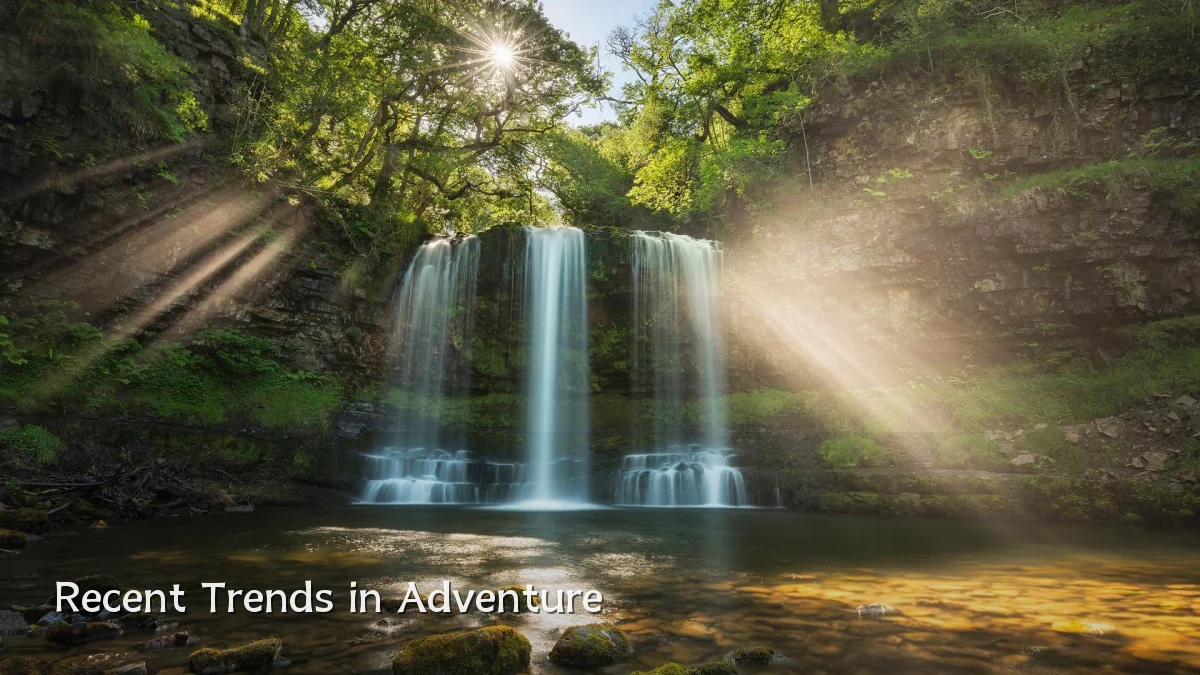
- Kayaking tours along the Dalmatian coast and on rivers like the Mrežnica and Cetina are among the most-booked water-based activities.
- Hiking routes in Plitvice Lakes National Park, Paklenica, and the Biokovo mountain range see consistent demand, especially during spring and autumn shoulder seasons.
- Operators are bundling short guided hikes with wine tastings or archaeological visits to appeal to mixed-interest groups.
Background and Geographic Strengths
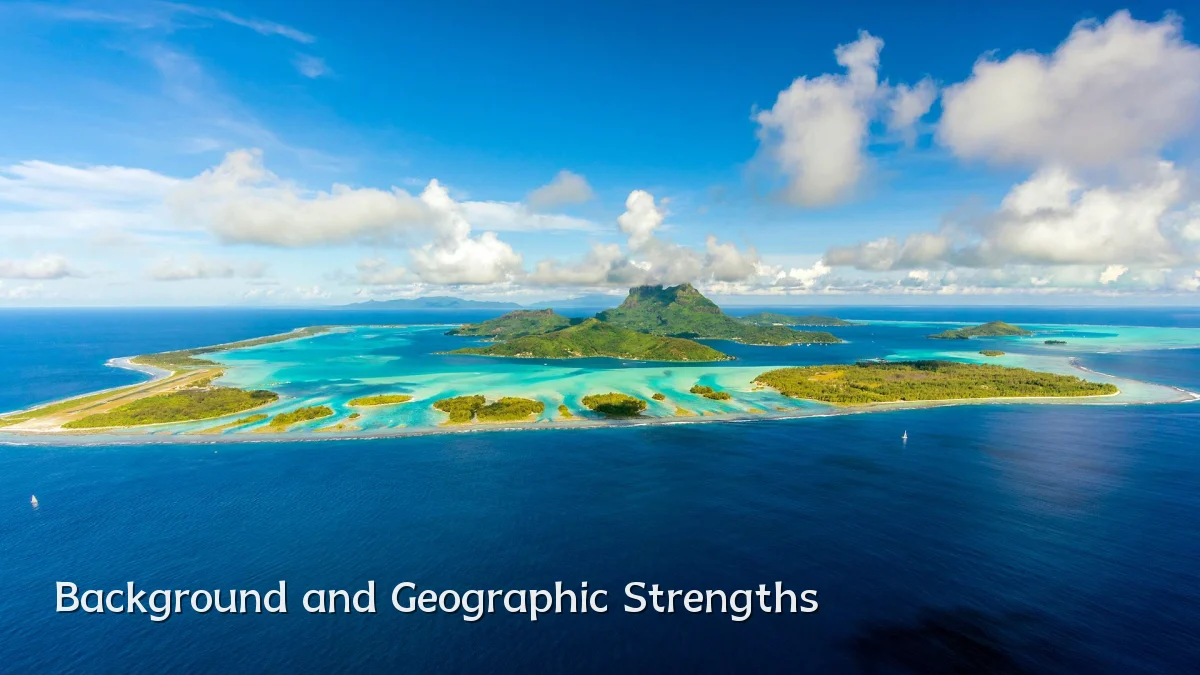
Croatia’s diverse terrain—spanning over 1,200 islands, a rugged Dinaric Alps corridor, and more than 1,000 kilometers of coastline—provides natural infrastructure for outdoor recreation. The country maintains eight national parks and eleven nature parks, many with marked trails and designated water-access points. Kayaking has historically been popular on the Adriatic’s calm coves, while hiking routes range from coastal cliff paths to forested mountain ridges that rise above 1,500 meters.
- The Via Dinarica trail system, which runs through Croatia, Bosnia, and Montenegro, has improved connectivity for long-distance hikers.
- Sea-kayaking operators offer half-day to week-long trips, often including stops for snorkeling and visits to uninhabited islets.
- Rivers such as the Zrmanja and Una support both recreational kayaking and whitewater rafting, depending on seasonal water levels.
User Concerns and Practical Considerations
While Croatia is generally considered a safe destination for self-guided and group activities, travelers face a few common uncertainties. Equipment quality, guide certification, and weather variability are recurring points of attention. The following factors are frequently raised in traveler feedback and forum discussions:
- Accessibility: Not all hiking trails are well marked in English; offline maps or a local guide are recommended for remote routes.
- Seasonal conditions: Kayaking in open sea is strongly affected by the bora wind; operators typically cancel trips when gusts exceed 30–35 km/h.
- Booking reliability: Smaller family-run outfitters may have limited online booking systems, so advance communication via email or messaging apps is advised.
- Physical readiness: Several popular hikes, such as the ascent of Sveti Jure on Biokovo, require moderate fitness and proper footwear.
Likely Impact on the Local Tourism Sector
The sustained popularity of adventure activities is likely to shift investment toward rural and island communities beyond the major coastal cities. Local economies in areas such as Istria’s interior, the Kvarner Gulf islands, and Lika-Senj County are already seeing increased accommodation bookings and new guiding businesses. At the same time, park authorities are expected to implement more rigorous trail maintenance and visitor caps in high-traffic zones.
- Small-scale agrotourism properties that offer direct access to hiking or kayaking launch points may see higher occupancy rates.
- Regulations around commercial guiding in protected areas may tighten, requiring operators to hold certified first-aid and environmental training.
- Travel insurance providers are adding more specific coverage for adventure activities in the region, responding to demand.
What to Watch Next
Several developments bear monitoring for anyone planning a trip or monitoring the sector. The expansion of bike-kayak combo routes along the Adriatic coast is one emerging pattern. Another is the gradual opening of new hiking sections within the Dinaric Alps corridor, which could extend multi-day itineraries. Travelers should also watch for seasonal ferry schedule changes that affect island connections for kayaking groups.
- Further integration of digital trail maps and QR-based information boards in national parks.
- Potential introduction of seasonal permits or entry fees for non-guided groups on certain high-use trails.
- Growth in shoulder-season bookings as travelers seek to avoid peak summer heat and overcrowding.
Summary: Croatia’s outdoor adventure segment is expanding on clear geographical advantages and growing traveler interest in active, nature-based itineraries. Practical concerns center on guide standards, weather planning, and trail accessibility. The likely medium-term impact includes economic benefits for inland and island communities, along with tighter regulatory oversight in protected areas. Looking ahead, the main developments to track are trail network extensions, permit changes, and seasonal shifts in visitor patterns.