Discovering the Hidden Gems of South Dalmatia: Beyond Dubrovnik's Walls
Recent Trends
In the past few travel seasons, visitor patterns in South Dalmatia have shifted noticeably. While Dubrovnik’s Old Town remains a primary draw, a growing number of travelers are venturing farther south and inland. Online search data and booking platforms show increased interest in smaller coastal settlements, island hopping to lesser-known Adriatic islands, and agritourism stays in the Pelješac peninsula and Konavle region.

- Rise in direct flight routes to Dubrovnik airport that facilitate onward travel by rental car or ferry.
- Social media exposure of quiet coves, vineyard trails, and medieval villages beyond the city walls.
- Emergence of slow-travel itineraries that prioritize local food, wine, and nature over packed sightseeing.
Background
South Dalmatia extends from the Neretva River delta in the north to the Bay of Kotor (Montenegro) in the south, encompassing the city of Dubrovnik, the Pelješac peninsula, the Elaphiti Islands, and the Konavle valley. Historically, Dubrovnik dominated tourism due to its preserved fortifications and UNESCO status, while surrounding areas remained primarily agricultural or fishing communities. In the decade following the 1990s war, infrastructure improvements gradually opened these areas to visitors, but mass tourism still concentrated inside the walls until recently.
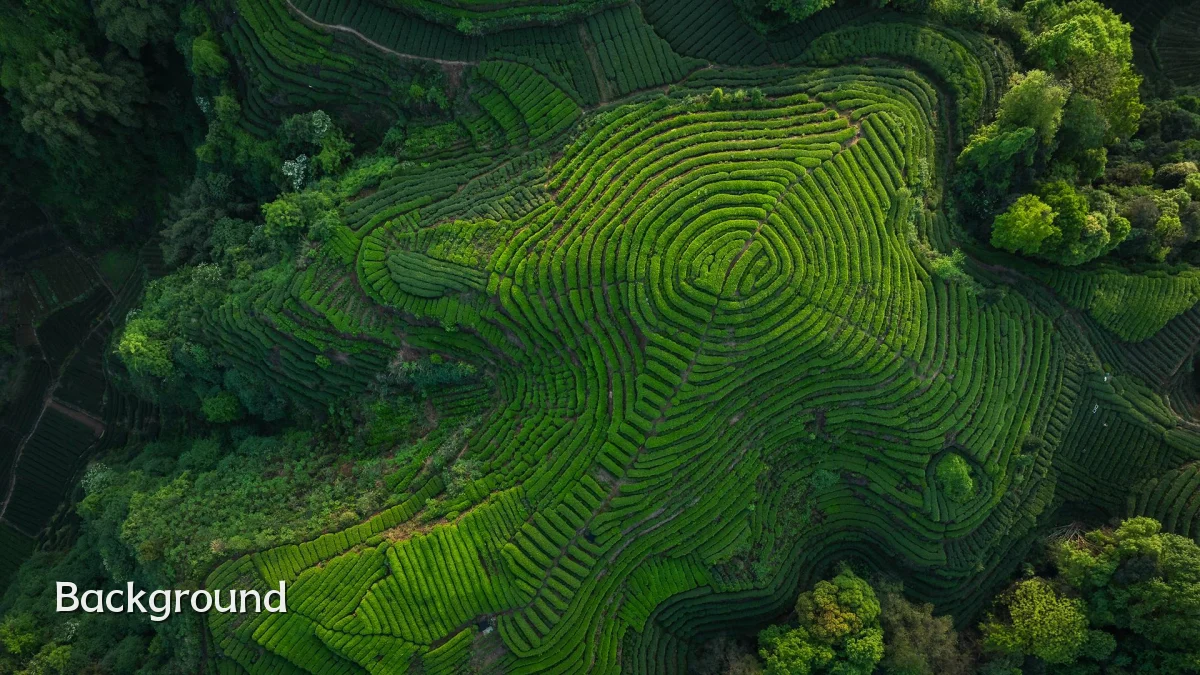
- The Pelješac peninsula is known for its Dingač and Postup wine appellations, oyster farming in Mali Ston, and the medieval town of Ston with its long defensive walls.
- The Elaphiti Islands (Koločep, Lopud, Šipan) offer car-free environments and sandy beaches, accessible by short ferry rides from Dubrovnik.
- Konavle presents rural landscapes, traditional stone houses, and the Čilipi Sunday folklore market.
- Inland areas like the Popovo polje valley feature caverns and the remains of Roman villas.
User Concerns
Travelers exploring beyond Dubrovnik face practical considerations that differ from a typical walled-city visit. Common concerns include:
- Accessibility: Car ferries to some islands run on seasonal schedules; public bus connections to inland villages can be infrequent.
- Accommodation options: Smaller settlements have limited hotels and rely more on private rentals or agritourism stays that may require advance booking.
- Language and services: Outside tourist hubs, English is less widely spoken, and dining options may have limited hours or fixed menus.
- Sustainable travel: Some natural sites (e.g., certain pebble beaches, nature parks) have capacity restrictions or entrance fees to prevent overcrowding.
- Navigation: Coastal roads in the Pelješac peninsula are narrow and winding; drivers should expect longer travel times than distances suggest.
Likely Impact
The shift toward exploring South Dalmatia beyond Dubrovnik influences both local economies and visitor experiences.
- Economic spread: Visitor spending is likely to extend beyond the Old Town into family-run wineries, small hotels, and artisan producers in Pelješac and Konavle.
- Infrastructure pressure: Improved road access (e.g., the Pelješac Bridge completed in 2022) reduces transit times, but may also increase traffic to previously quiet villages without adequate parking or waste management.
- Cultural preservation: Rising demand for authentic experiences could encourage preservation of traditional architecture and agricultural practices, but also risk commercialisation if mass tourism follows.
- Regional differentiation: South Dalmatia’s image may widen from “Dubrovnik plus beaches” to a multi-destination region with distinct food, wine, and nature offerings.
What to Watch Next
Several developments in the coming seasons will indicate how sustainable and managed this expansion becomes:
- Ferry and transport expansions: Whether authorities add summer lines to smaller islands like Šipan or increase bus coverage in Konavle.
- Regulatory measures: Potential caps on daily visitor numbers at popular natural sites (e.g., Mljet National Park, Koločep beaches) similar to those in Dubrovnik’s Old Town.
- Accommodation shifts: Growth of certified agritourism and eco-labels; watch for pilot programs that promote off-grid stays or low-impact glamping.
- Climate adaptation: How extreme heat or wildfire risk affects outdoor activities in the region, and whether shoulder-season promotion gains traction.
- Local initiatives: Collaborative efforts by winemakers and olive growers to create shared itineraries and tasting routes that encourage multi-night stays.