Exploring Sibenik's Rich History: A Guide to Its Medieval Fortresses and Cathedral
Recent Trends in Sibenik Travel
Travelers increasingly seek destinations that combine cultural depth with manageable crowds, and Sibenik has benefited from this shift. Visitor numbers have risen steadily over the past several seasons, driven by its UNESCO-listed St. James Cathedral and well-preserved fortresses. The city’s position along the Dalmatian coast, yet slightly off the main cruise-ship circuit, appeals to those wanting an authentic medieval experience without the congestion of nearby Split or Dubrovnik. Recent travel forums note a growing interest in walking tours that link the fortresses and cathedral, often self-guided or with local heritage guides. However, the rise in popularity has also triggered calls for better visitor management during peak summer months, when narrow streets near the cathedral can become crowded.
Background: The Fortresses and Cathedral
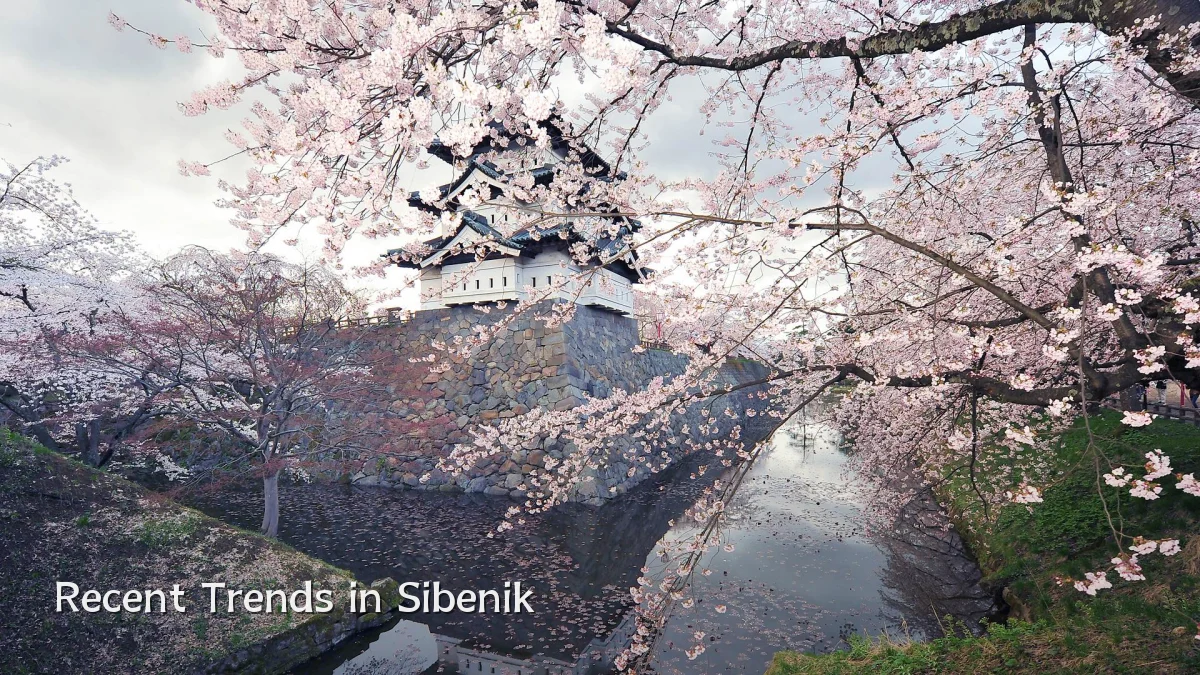
Sibenik’s historical core is defined by four medieval fortresses — St. Michael’s, St. John’s, Barone, and Šubićevac — each built to defend the city against Venetian and Ottoman threats. St. Michael’s, the oldest, sits atop a hill and now serves as an open-air venue for concerts and events. St. John’s and Barone fortresses form a linked complex with panoramic views, while Šubićevac is used for cultural exhibitions. The centerpiece of the old town is the Cathedral of St. James, a UNESCO World Heritage site renowned for its entirely stone construction and the frieze of 74 human faces on its exterior. Construction spanned the 15th and 16th centuries, blending Gothic and Renaissance styles under architects Juraj Dalmatinac and Nikola Firentinac.
User Concerns
- Accessibility: Many fortresses require uphill walks on cobblestone paths. Travelers with mobility issues should check which sites offer ramps or adapted routes; St. Michael’s fortress has a stair lift installation mentioned in some guides, but conditions can vary year to year.
- Timing and Closures: Opening hours shift by season. In shoulder months (April–May, September–October), fortresses often close earlier than in peak summer. Visitors should confirm operating times at the local tourist office or online a few days before arrival.
- Combined Tickets: Sibenik offers a multi-site ticket covering the cathedral and two or three fortresses. The price generally falls in the mid-range for regional attractions, but it is worth comparing with single-entry costs if only visiting one site.
- Guided vs. Self-Guided: Audio guides and informational panels exist in several languages, but some travelers report that on-site signage can be sparse in less-visited fortresses like Šubićevac. Hiring a local guide may add context for the cathedral’s iconography and the fortresses’ military history.
Likely Impact on the Local Tourism Landscape
Sibenik’s focus on heritage tourism is likely to continue steady growth, but the city faces pressure to preserve its historical integrity. Increased foot traffic on staircases within the cathedral and fortress grounds can accelerate wear on stone surfaces, as noted in conservation reports from similar Mediterranean sites. Local authorities have begun experimenting with timed-entry slots for the cathedral during high season, a move that could become permanent. The rise of remote work and extended stays also encourages visitors to spend several days exploring the inner Dalmatian hinterland, boosting local eateries and small hotels outside the immediate old town. However, if overtourism spikes, the city’s charm — and the very reason travelers come — may be eroded.
What to Watch Next
- Infrastructure Upgrades: Watch for announcements about improved lighting and conservation work at Barone and St. John’s fortresses, which could affect access in upcoming seasons.
- Day-Trip Patterns: If nearby national parks (Krka, Kornati) implement stricter visitor caps, Sibenik may absorb more overnight tourists, altering the demand for guided historical tours.
- Digital Tools: The city’s tourism board is developing an app for self-guided routes linking the fortresses. Monitor release dates and user reviews to gauge its usefulness versus traditional maps.
- Cultural Events: St. Michael’s fortress hosts summer concerts and film screenings. Advance ticket sales and lineup announcements can indicate how much the city leans into events-based tourism versus pure historical sightseeing.