Your Ultimate Croatia Tourist Guide: From Dubrovnik's Walls to Plitvice's Falls

Croatia has solidified its place as a Mediterranean heavyweight, drawing millions to its Adriatic coastline, ancient walled towns, and cascading national parks. This analysis examines the current state of Croatian tourism, balancing the draw of marquee attractions with emerging traveler priorities and infrastructure realities.
Recent Trends Shaping Croatian Travel
Post-pandemic recovery has accelerated a shift toward shoulder-season travel and lesser-known destinations. Digital nomad residency schemes and improved flight connectivity from North America and Asia have diversified visitor profiles beyond the traditional European summer crowd.
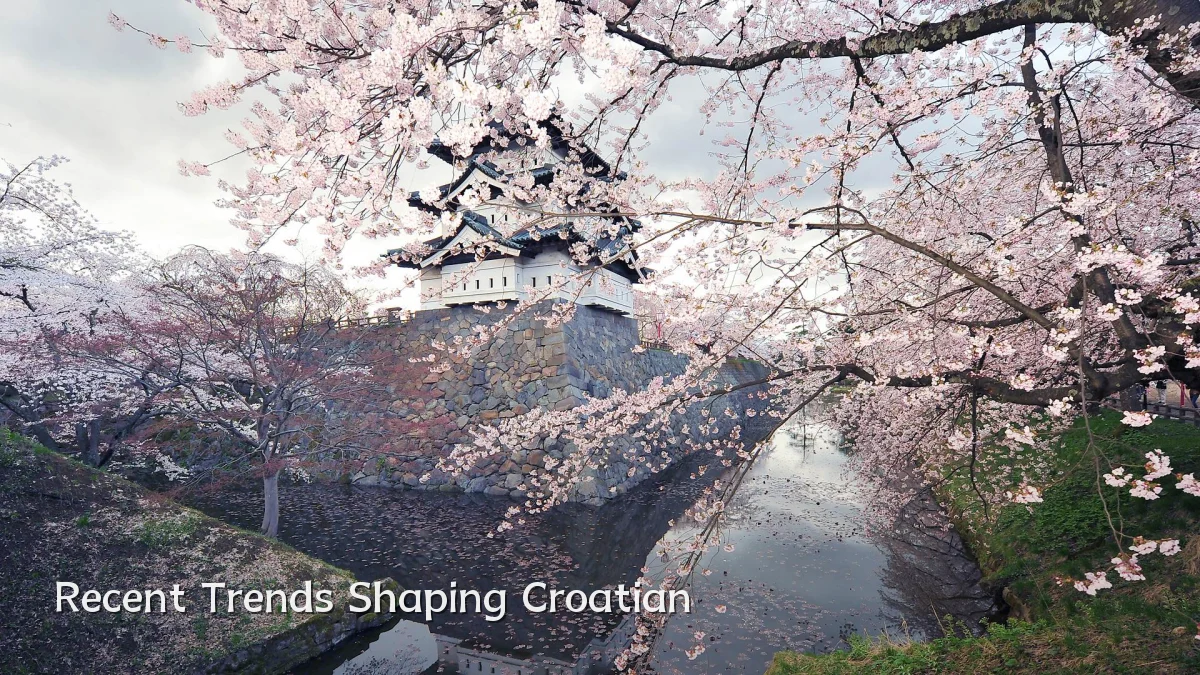
- Off-peak interest: Spring and autumn bookings have risen sharply as travelers seek milder weather and fewer crowds at Plitvice Lakes and Dubrovnik.
- Remote work integration: Coastal hubs like Split and Zadar now market co-working spaces and long-stay packages, capitalizing on a global remote workforce.
- Island-hopping evolution: Ferries to Hvar, Korčula, and Vis see increased demand, but travelers now research eco-certified accommodations and sustainable tour operators.
- Inland exploration: Continental Croatia — including Slavonia’s wineries and the Dinaric Alps’ hiking trails — is gaining traction as an alternative to the coast.
Background: The Foundation of Croatia’s Appeal
Croatia’s tourism identity rests on its UNESCO World Heritage sites, a varied coastline of over a thousand islands, and natural wonders like Plitvice Lakes National Park. The 1990s post-war recovery gave way to a boom fueled by “Game of Thrones” exposure and EU accession in 2013, which simplified travel for European visitors. Dubrovnik’s Old Town and the Plitvice boardwalks became global icons, but also pressure points for overtourism.
User Concerns: Practical Priorities for Today’s Traveler
Visitors consistently raise a few critical issues when planning a Croatian itinerary. These concerns influence both trip satisfaction and destination management policies.
- Overcrowding at key sites: Queue times at Plitvice can exceed two hours in July and August. Early entry tickets and guided groups are recommended but still limited in availability.
- Heat and accessibility: Summer temperatures routinely reach 35°C along the coast. Steep staircases in Dubrovnik and uneven paths in national parks pose challenges for those with mobility constraints.
- Cost variability: Accommodation prices in Dubrovnik and Hvar can be multiple times higher than in interior regions or less-visited islands. Last-minute booking often yields lower quality for the price.
- Transport logistics: Bus and ferry schedules can be inconsistent outside peak months. Renting a car offers flexibility but parking is expensive in historic centers.
Likely Impact: Sustainable Growth vs. Strain
The most probable trajectory is continued moderate growth in visitor numbers, with pressure on infrastructure driving policy changes. Regional authorities are already experimenting with visitor caps at Plitvice and timed-entry systems in Dubrovnik. These measures may reduce peak overcrowding but could also make spontaneous visits less practical. The economic benefit will likely spread beyond coastal hotspots as more tourists explore inland and islands during shoulder months.
What to Watch Next
Several developments will shape Croatia’s tourism landscape in the near term. Travelers and industry observers should monitor these indicators.
- New air routes: Expansion of direct flights from North America and Asia could further boost off-season arrivals, easing summer congestion.
- Regulatory changes: Proposed tourist taxes and short-term rental registration requirements may affect accommodation costs and availability, particularly in Dubrovnik and Split.
- Eco-certification programs: Adoption of EU sustainability standards for hotels, tour operators, and national park entry quotas could become a competitive advantage.
- Digital nomad policy evolution: If Croatia extends its one-year residence permit for remote workers, expect a surge in long-stay tourism and co-living spaces in coastal cities.
Navigating Croatia today means weighing iconic experiences against practical realities. With careful planning on timing, location, and transportation, visitors can enjoy both Dubrovnik’s walls and Plitvice’s falls — without getting swept away by the crowds.